Public Grief, Private Pain: How Families Face Attention After Tragedy

In the aftermath of personal loss, the line between public attention and private mourning can become painfully thin.
When a death occurs and the individuals involved are known to a wider community — whether through sports, academia, entertainment, or simply a strong online presence — grieving families often find themselves navigating not only sorrow but also visibility.
The human story at the center is one of loss, yet the surrounding environment may include headlines, speculation, and emotional reactions from people they have never met.
In such moments, the focus rightfully belongs on the family that is grieving. Losing a spouse or partner is among the most profound experiences a person can endure. It reshapes daily life, identity, and the rhythms of ordinary existence.
For widows and widowers, the early weeks following a death are often filled with shock, disorientation, and the practical demands of funerals, paperwork, and abrupt change. At the same time, they may feel observed, discussed, or photographed if the person who died had any degree of public recognition.
When a bereaved spouse reappears in public — whether attending a memorial, walking outdoors, or simply resuming routine activities — observers sometimes attach meaning to that moment. Social media posts may describe courage, heartbreak, or resilience based on a single image.
Others may respond with sympathy or reflection on fragility of life. While such responses are often compassionate, it is crucial to remember that a photograph does not capture the complexity of grief.
Public presence does not mean pain has passed; it may simply mean life continues even when hearts are heavy.
There is also a powerful emotional dynamic among fans or followers of the person who has died. People who admired the deceased individual may feel connected to the story of the surviving spouse. They may express solidarity, condolences, or a sense of shared sadness.
These reactions reflect a genuine human impulse to comfort and to honor memory. Yet they coexist with another responsibility: respecting the privacy and boundaries of the grieving family. Curiosity should never override compassion.
Media coverage during such times must walk a careful line. It can acknowledge loss without intruding on it. Ethical reporting avoids speculation about causes, motives, or private emotions. It refrains from turning tragedy into sensational narrative.
Instead, responsible journalism emphasizes verified facts, avoids assumptions, and recognizes that mourning is not a spectacle. Families do not owe the public explanations, appearances, or displays of strength.
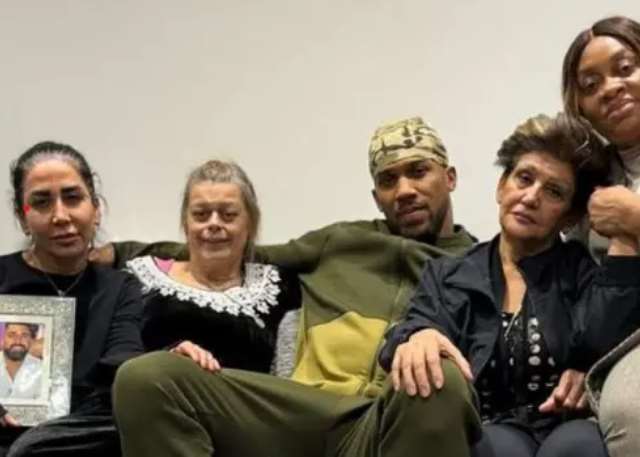
The early period after a death is often marked by silence. That silence is not mysterious; it is protective. People who are grieving need time to absorb reality, speak with relatives, make arrangements, and begin the long internal process of healing.
When or whether a widow chooses to appear in public is entirely a personal decision. Courage in this context is not performance but endurance — the quiet act of continuing to live in a world that has changed irrevocably.
Online audiences benefit from approaching such situations with sensitivity. Instead of demanding details or interpreting expressions from photographs, the most respectful response is simple: acknowledgment of loss and restraint from speculation. Messages of support, when sincere and not intrusive, can offer comfort.
But so can silence that honors the right to mourn privately.
It is also important to distinguish between confirmed information and viral narrative. In the digital age, phrases like “shocking photo,” “final message,” or “tragic secret” are often used to draw attention, sometimes without reliable sources behind them.
Before sharing or reacting to emotionally charged posts, readers can ask basic questions: Where does this information come from? Is it supported by credible reporting? Does it protect the dignity of the family involved? If the answers are unclear, caution is the compassionate choice.
Grief itself does not unfold according to public expectations. Some people cry openly; others appear composed. Some retreat; others seek community. None of these responses are wrong. They are simply human variations in how loss is carried.
When a widow steps back into public view after bereavement, what matters most is not how she looks through the lenses of cameras, but how she is supported by those closest to her.
Behind every headline about tragedy lies a life that was lived — relationships, ordinary days, laughter, frustrations, plans unfinished. Remembering that humanity prevents us from reducing people to symbols of sorrow or resilience. It invites empathy rather than voyeurism.
In the end, the story worth telling is not about speculation or unverified claims but about compassion. When families face tragedy, the role of society is not to interpret their every movement but to respect their space and acknowledge their pain.
Public attention may surround them, but dignity should surround them more.
Grief has no timetable and no single path. What it requires, from those watching from a distance, is gentleness.
The most powerful response to loss is often the simplest: allowing people to mourn in their own way, at their own pace, without pressure to perform either sadness or strength for the public eye.