Introduction
A routine drive along the North Luzon Expressway (NLEX) has spiraled into a political firestorm after veteran broadcaster Mon Tulfo alleged that Daniel Fernando was physically assaulted — described in Filipino as “ginulpi” — by a high-ranking official during a road rage confrontation.
The claim, delivered through Tulfo’s widely followed commentary platform, quickly ignited public debate. Within hours, social media platforms were flooded with speculation, political reactions, and demands for accountability. Supporters of the Bulacan governor called for a full investigation. Critics urged caution and verification.
As of this writing, no official police report detailing the full incident has been publicly released. Authorities have neither confirmed nor denied key aspects of the allegation. Yet the controversy has raised larger questions about conduct, accountability, and the behavior of public officials under pressure.
This in-depth report examines what is known so far, the political implications, possible legal consequences, and the broader context of road rage incidents involving high-profile figures in the Philippines.
Table of Contents
- The Allegation That Sparked National Attention
- Timeline of Events on NLEX
- Who Is Gov. Daniel Fernando?
- The Role of Mon Tulfo in Public Controversies
- The Alleged “High-Ranking Official”
- Eyewitness Accounts and Emerging Evidence
- Law Enforcement and Expressway Authorities
- Political Fallout and Public Reaction
- Road Rage Culture in the Philippines
- Legal Implications and What Comes Next
1. The Allegation That Sparked National Attention
The controversy began when Mon Tulfo publicly claimed that Governor Daniel Fernando had been physically confronted during a road altercation on NLEX. Tulfo alleged that a “mataas na opisyal” — a high-ranking official — stepped out of a vehicle following a traffic misunderstanding and physically attacked the governor.
Tulfo did not immediately provide documentary proof or identify the other party by name. However, the accusation alone was enough to generate widespread attention, given the stature of those allegedly involved.
Tulfo’s reputation as a blunt and often controversial commentator ensured the story gained rapid traction. Within hours, the allegation dominated trending topics across digital platforms.
Observers note that Tulfo’s reports have historically prompted official investigations in various cases, particularly those involving public officials.
2. Timeline of Events on NLEX
While full details remain under review, preliminary accounts suggest the incident occurred during peak travel hours along a congested stretch of NLEX.
According to sources familiar with the situation:
- A traffic misunderstanding allegedly occurred between two vehicles.
- One driver reportedly reacted strongly to what was perceived as unsafe maneuvering.
- The confrontation escalated when one party allegedly exited their vehicle.
- A physical altercation may have followed.
However, these elements remain unconfirmed by official police documentation.
NLEX is one of the busiest expressways in the country, linking Metro Manila to Central Luzon. Tensions can escalate quickly in heavy traffic, especially when high-profile individuals are involved.
3. Who Is Gov. Daniel Fernando?
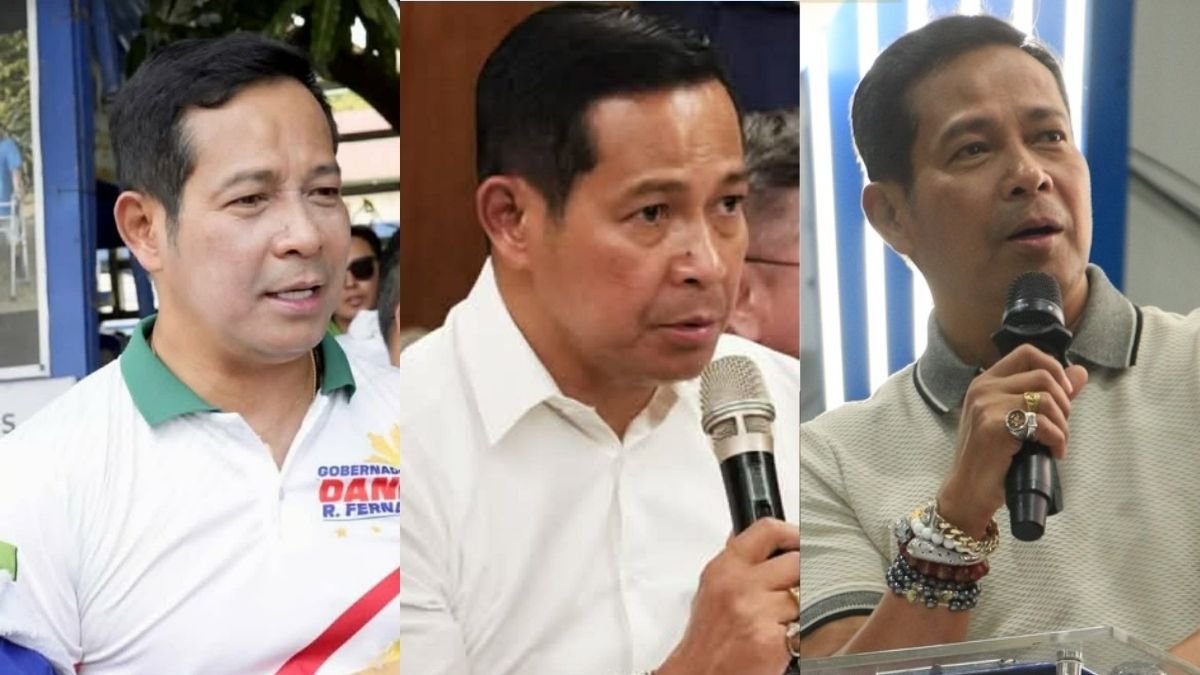
Governor Daniel Fernando is a prominent political figure in Bulacan, serving as the province’s chief executive. Before entering politics, he built a career in entertainment and public service, cultivating a broad public following.
As governor, Fernando has overseen infrastructure projects, disaster response initiatives, and local economic programs. His leadership style has been described as accessible and media-savvy.
An incident of this nature — if verified — could carry reputational implications not only for him but also for the political climate in Bulacan.
Supporters argue that he deserves due process and protection from unfounded accusations. Critics insist transparency is paramount.
4. The Role of Mon Tulfo in Public Controversies
Mon Tulfo has long been known for spotlighting disputes involving powerful individuals. His brand of journalism often blends advocacy, commentary, and investigative elements.
Tulfo’s influence lies in his ability to bring issues into public view quickly. In previous instances, his reports have led to administrative inquiries and legal proceedings.
However, critics have occasionally questioned the balance between allegation and substantiated evidence in his reporting style.
In this case, Tulfo’s statement served as the catalyst for public attention, but official documentation remains crucial for verification.
5. The Alleged “High-Ranking Official”
At the center of the controversy is the unidentified “mataas na opisyal.” Tulfo’s description has sparked speculation about the identity and position of the individual involved.
As of publication:
- No formal identification has been released.
- No public statement has been issued by the alleged other party.
- No formal complaint has been confirmed.
Speculation without verification poses risks, including reputational harm and misinformation.
Political analysts caution against premature conclusions until evidence emerges.
6. Eyewitness Accounts and Emerging Evidence
Reports indicate that authorities may be reviewing potential CCTV footage from toll plazas and nearby traffic cameras.
Eyewitness descriptions vary:
- Some claim the exchange was heated but brief.
- Others allege there was visible physical contact.
- A few state that security personnel intervened quickly.
Without official confirmation, these accounts remain anecdotal.
Expressway surveillance systems often provide crucial evidence in traffic disputes, particularly when public officials are involved.
7. Law Enforcement and Expressway Authorities
Local law enforcement agencies have reportedly been notified of the incident. However, no official press briefing detailing charges or findings has been conducted.
NLEX management typically cooperates with authorities in cases requiring traffic footage review. Investigators would likely examine:
- Vehicle plate numbers
- Toll booth timestamps
- CCTV footage
- Witness statements
Depending on findings, potential charges could range from light physical injuries to other violations under Philippine law.
8. Political Fallout and Public Reaction
The political implications are significant.
Allies of Governor Fernando have called for restraint and emphasized his public service record. Some have described the allegation as exaggerated or politically motivated.
Opposition figures have urged transparency and demanded clarity regarding the involvement of any public official.
Online discourse has been polarized, reflecting broader divisions in the country’s political climate.
Political analysts suggest the controversy could influence future public perception, especially if formal legal action is taken.
9. Road Rage Culture in the Philippines
Road rage incidents have periodically captured national headlines. Stress, congestion, and aggressive driving behaviors contribute to confrontations.
Authorities have repeatedly launched campaigns promoting road courtesy and conflict de-escalation.
Legal experts emphasize that any physical confrontation on public roads can carry criminal liability, regardless of status.
High-profile incidents often receive amplified scrutiny due to the individuals involved.
10. Legal Implications and What Comes Next
If a formal complaint is filed and evidence substantiates physical assault, possible charges could include physical injuries under the Revised Penal Code.
If the allegation is disproven, those who made unverified claims could face legal consequences for reputational harm.
The coming days will likely determine:
- Whether formal charges are filed
- Whether official statements clarify the incident
- Whether political repercussions escalate
Transparency and due process remain critical.
Conclusion
What began as an alleged road rage confrontation on NLEX has evolved into a politically charged controversy involving Governor Daniel Fernando and claims aired by Mon Tulfo.
At present, the story rests between allegation and verification. Without official documentation, definitive conclusions remain premature.
However, the episode underscores broader themes: the behavior of public officials under stress, the power of media amplification, and the importance of evidence before judgment.
Whether this incident leads to legal proceedings or fades as another headline will depend on the clarity of forthcoming investigations.
For now, the public awaits verified answers.
Related Articles
- Understanding Road Rage Laws in the Philippines
- The Political Impact of Public Controversies
- CCTV Evidence in Expressway Incidents
- Media Responsibility in High-Profile Allegations
- Public Officials and Accountability Standards