When Jeffrey Epstein’s story resurfaces in the headlines, few media figures react quite likeGreg Gutfeld, the conservative commentator and Fox News host. His recurring sentimentWe’ve been here before.” Far from dismissing the gravity of Epstein’s crimes, Gutfeld argues that much of the renewed coverage is politically motivated, rehashing old allegations with little real progress — and serving agendas more than justice.

This investigation unpacks Gutfeld’s take, its implications, and whether his skepticism holds up in light of new developments.
The Latest Epstein Resurgence
In mid‑2025, Epstein made headlines again. Newly publicized emails, released or reexamined by Democratic politicians, reportedly implicated high-profile figures, including Donald Trump, raising renewed questions about who knew what — and when.

These disclosures, coming nearly six years after Epstein’s death, triggered media frenzy. Outlets rehashed Epstein’s history: his connections, alleged trafficking network, and the unresolved questions around his jail death. Ethical, legal, and political alarms rang anew.
That’s precisely when Greg Gutfeld chimed in — not to ignore Epstein’s crimes, but to critique how the story is being retold.

Gutfeld’s Core Argument: Repetition, Not Revelation
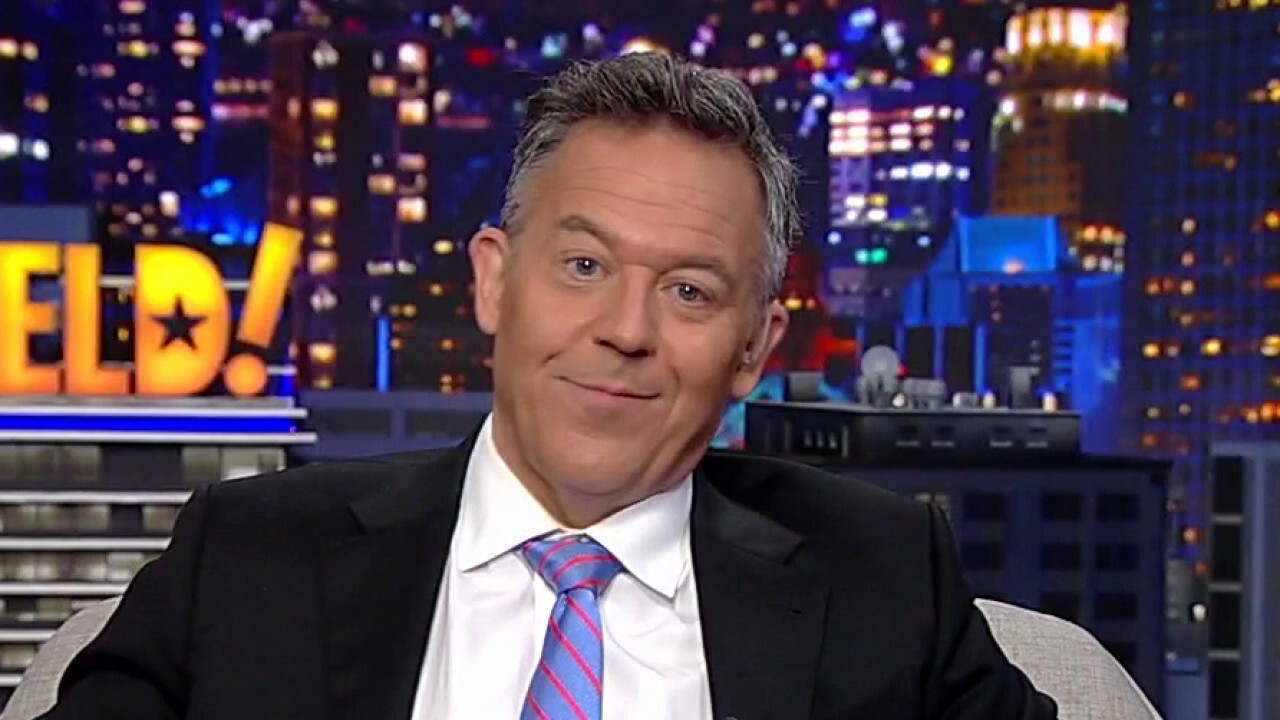
On his Fox News show Gutfeld! and other platforms, Gutfeld has repeatedly pushed back:
Old News, New Spin: Gutfeld argues that many of the recent revelations are replays of prior allegations, not fresh discoveries. According to him, people are being asked to treat recycled drama as breaking news.
Selective Outrage: He often frames the renewed Epstein coverage as “political theater,” aimed more at scoring points than uncovering truth. In his words, some actors on the left are resurfacing Epstein “because there’s a political angle,” not a moral one.

Accountability vs. Weaponization: Gutfeld doesn’t deny Epstein’s crimes; instead, he warns that the narrative is being weaponized. He says he and others “spent years on this story … We had to take it seriously … because women were being sex trafficked.”
Tired of the Script: While Gutfeld agrees accountability matters, he implies that much of the media push is formulaic. “We’ve been here before,” he says — and that repetitive focus risks turning a tragic scandal into a political cudgel.
Historical Context: Why Epstein’s Case Never Really Went Away

Gutfeld’s critique isn’t entirely new. Epstein has remained a source of controversy since his 2019 arrest, his “sweetheart deal” in the mid-2000s, and his death in custody. Over the years, his network of powerful associates fueled conspiracy theories, while victims and advocates pushed for transparency.
From Gutfeld’s perspective, the Epstein story was always more than just sensational crime — it was embedded in a broader political and media ecosystem. Now, with fresh leaks and renewed scrutiny, he sees echoes of old patterns: allegations, outrage, cycles of condemnation — then fade out again.
In multiple televised segments, he insists: the media already covered a lot of this. The new coverage, he warns, may be more about re-triggering narratives than resolving them.

Gutfeld’s Media Strategy: Humor, Skepticism, and Political Commentary
Part of Gutfeld’s appeal lies in the way he blends humor with critique. On Gutfeld!, he’ll deliver commentary laced with jokes, jabs at journalists, and pointed barbs at political opponents — but the underlying message is clear: the Epstein story’s comeback isn’t just about justice, it’s about power.
In a recent panel, he and his co-hosts dissected how news outlets are covering newly released Epstein emails. He called out what he perceives as disproportionate media focus and urged viewers to ask: Are we seeking truth, or just reliving sensational headlines?
Gutfeld vs. the Left: Political Tensions
Much of Gutfeld’s commentary centers on the political weaponization of Epstein’s story:
He argues that some left-leaning pundits or politicians are reigniting Epstein coverage not out of concern for victims, but as a pretext to attack conservative figures — particularly Donald Trump.

For Gutfeld, this isn’t pure whistleblowing; it’s strategic outrage. The Epstein files become a “greatest hits” album for political adversaries, recycled when politically expedient.
He frequently accuses critics of selective outrage — pointing out that Epstein’s crimes should matter independently of partisan gain. In his framing, “keeping power” seems to drive more of the renewed attention than pursuing justice.
Where Gutfeld Draws the Line: Accountability vs. Conspiracy
Importantly, Gutfeld is not denying Epstein’s guilt or trivializing his crimes. In a full-episode segment, he said:
I believe he killed himself … I’ve never believed in any of the conspiracy theories, but it does highlight the fact … this is the highest-profile inmate … they just go sleepy night night.” He suggests Epstein’s death was not necessarily the result of grand conspiracies, but a reflection of systemic failures — in the prison system, not a shadowy global cabal.
Gutfeld’s warning is subtle but forceful: don’t mistake political recycling for meaningful reform.
Public Reaction & Criticism
Gutfeld’s position has drawn pushback:
Media critics argue that calling renewed Epstein coverage “old news” dismisses ongoing demands for transparency and accountability.
Activists and victims’ advocates say fresh document leaks could unearth new evidence, and older coverage never fully addressed all Epstein’s connections.

Some on the right, including Fox colleagues, note that Epstein’s link to powerful figures should not be downplayed just because it’s politically inconvenient at times.
Still, Gutfeld’s framing resonates with a segment of conservative viewers who distrust what they see as the media’s cyclical sensationalism.

The Broader Implications: Media, Memory, and Moral Trust
Gutfeld’s commentary raises broader questions beyond Epstein:
How do we balance accountability with political narrative? Not every resurgence of a scandal is inherently virtuous — but dismissing it entirely risks ignoring possible truths.
What role does media memory play? Sensational stories reappear often, but rarely with lasting resolution. Do these cycles build pressure or just feed ratings?
Can public outrage lead to meaningful change? Or is outrage now more profitable than reform? For Gutfeld, repeated coverage often feels performative — and true structural accountability remains elusive.
How much should politics influence coverage of crime? The Epstein story intersects deeply with powerful institutions. When political actors amplify or downplay it, it shapes public perception of justice.
Is Gutfeld Right — or Missing the Point?
There’s some truth to Gutfeld’s skepticism. The Epstein saga has a long, tangled history, and not all “new” headlines may offer new revelations. However, critics argue that fresh documentation could matter deeply.

If new emails or records expose previously hidden relationships, that’s not just old news — it could reshape historical accountability. On the other hand, if the pattern is mainly political opportunism, Gutfeld’s warning that we’re “re-reading the same book” may be justified.
Ultimately, the tension lies in whether Epstein’s resurgence is a call for justice — or a vehicle for political scoring.
Conclusion: A Familiar Story, But a Different Moment
Greg Gutfeld’s recurring assertion — We’ve been here before” — captures his worry that the Epstein saga’s return is less about truth than it is about power. For Gutfeld, this isn’t about denying Epstein’s crimes, but about critiquing how they’re being reframed in the present moment.
In a media landscape where every scandal is repackaged and leveraged, Gutfeld’s perspective resonates with those who fear that outrage has become a political resource — not a path to real change.
At the same time, the renewed Epstein coverage shines a light on institutional failures, long-standing questions, and the possibility that some truths are yet to be fully revealed. Whether this wave leads to real accountability — or just more of the same — remains to be seen.